By Vision Card ServicesPublished 8 min read
A chargeback is a card-network dispute, not a second kind of refund. The cardholder raises a problem with the issuer, the case moves through the payment chain, and the merchant's side can accept it or respond with evidence under the applicable rules.
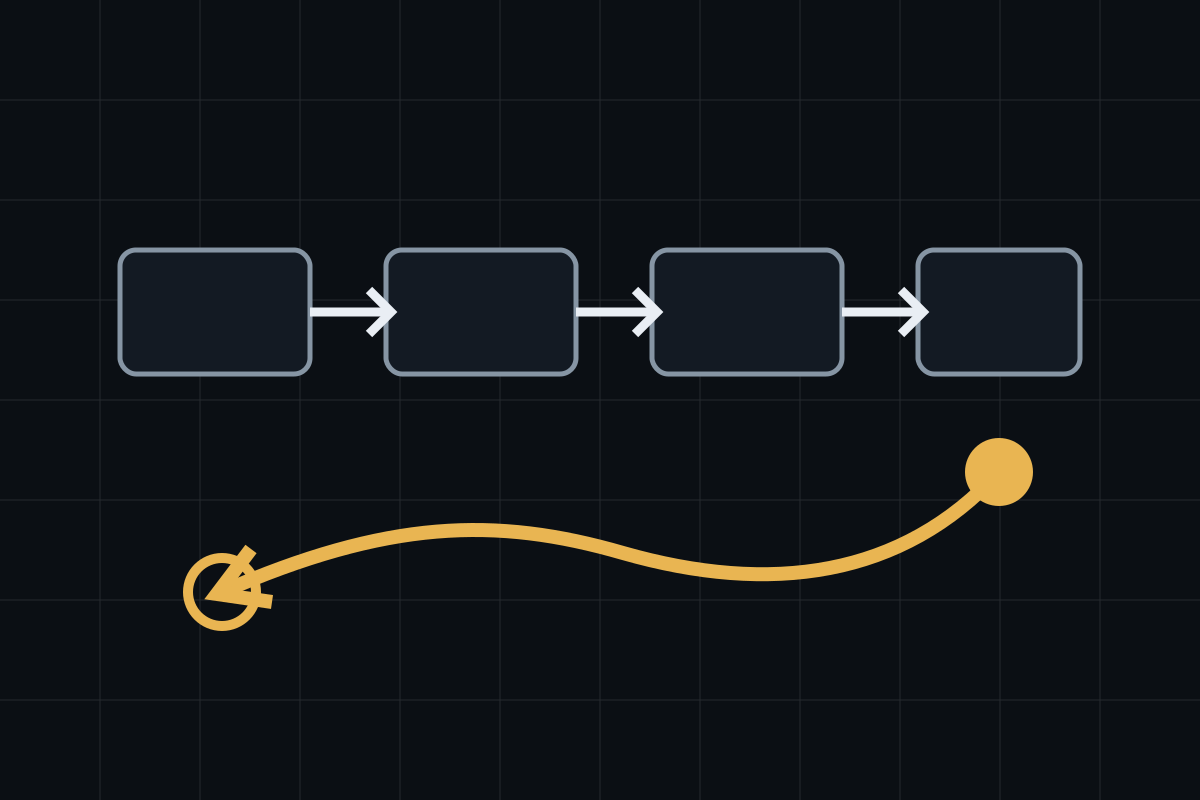
The issuer is the cardholder's route into a dispute. The merchant answers through its acquirer or processor. The network supplies the rules and case infrastructure; it is not the cardholder's account provider.
Refund, reversal and chargeback are different
A refund is initiated by the merchant after a transaction has been completed. A reversal cancels or releases a transaction before it completes in the ordinary way. A chargeback begins as a dispute raised through the card issuer after the cardholder says the transaction should not stand.
The difference matters because each path has a different owner. The merchant controls a refund. The issuer controls the cardholder's dispute intake. The merchant's acquiring side controls how the merchant's response enters the network process.
Starting with the right path avoids duplicate activity. If a merchant has already issued a refund, the evidence of that refund belongs in the dispute record rather than being treated as an unrelated event.
Who is involved
The cardholder deals with the issuer. The merchant deals with the acquirer or payment processor. The card network connects the two sides and defines the dispute framework that applies to the transaction.
Visa's consumer support guidance directs a cardholder who wants to dispute a charge to the issuer or bank and notes that the issuer may require detailed transaction information. Visa also states that it does not service the cardholder's account itself.Sources for this passage: Visa consumer support
This is why a merchant cannot open a cardholder dispute on the cardholder's behalf, and why the network is not the first place to ask for an account-specific explanation.
The case starts with a reason
A dispute is classified by the reason asserted: for example, the transaction was not authorised, the goods or services were not received, a credit was not processed, or the terms were represented differently from what was delivered.
That classification controls the questions the merchant must answer. Evidence that proves delivery does not answer an unauthorised-use allegation, and identity evidence does not answer a claim that a promised credit never appeared.
The practical first step is therefore to describe the issue precisely and preserve the supporting record: the statement entry, correspondence, order details, cancellation or return record, and any credit already issued.
What the merchant can do
The merchant receives the case through its processor or acquirer. It can accept the dispute or submit evidence that answers the stated condition. The relevant material depends on the transaction and the reason, not on how strongly either party feels about the result.
Visa's merchant guidelines organise disputes by condition and identify the documentation that can answer each condition. For a claimed misrepresentation, for example, the guidance distinguishes accepting a valid dispute from documenting the terms that were presented or a credit already processed.Sources for this passage: Visa dispute management guidelines for merchants
A merchant response is not a general defence of the business. It is a structured answer to one transaction under one dispute condition.
Why the transaction descriptor matters
Some disputes begin because the name on the statement is not the name the cardholder remembers seeing at checkout. Before treating an unfamiliar line as fraud, the transaction record can be compared with receipts, subscriptions, digital-wallet activity and household purchases.
That check does not prevent a valid dispute. It separates an unrecognised descriptor from an actually unauthorised transaction, which produces a clearer case and reduces time spent investigating the wrong event.
When the transaction remains unexplained, the issuer is the party that can inspect the account record and explain the available dispute path.
What the process cannot promise
A dispute is an evidence process, not an automatic refund. The applicable rules, reason, transaction record and response determine what happens next. Deadlines and evidence requirements can vary, so a general article cannot supply an account-specific timetable.
Keep copies of what was submitted and note any provisional account entry separately from a final decision. A temporary credit and a completed case are not the same state.
For an actual transaction, use the issuer's secure support route. This article explains the mechanism; it cannot decide whether a specific charge qualifies.